

Oil Reprocessing Catamaran
Overview
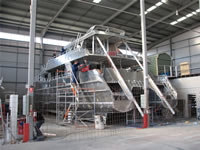
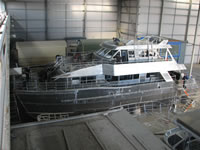
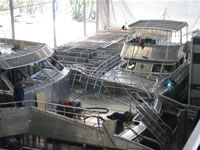
SeaSpeed designed 'Seacat20' 20 meter fast catamaran to showcase vessel based bio fuel technology, waste oil reprocessing and oil spill recovery vessel.
Working in conjunction with of Allan Lear from TSS Construction, Sea Speed believe these new concepts can benefit many marine industry sectors both in environmentally friendly waste oil disposal and the making and using of bio-fuels at sea.
Some of the onboard features of this vessel include:
1. Waste Oil disposal.
This vessel will have the capability to collect and refine waste engine oil or vegetable oil.
The bio fuel is processed aboard using the “state of the art” re-processing plant fitted aboard the vessel in the specially designed refinery compartments below deck. The bio fuel is then blended ready for consumption or to supply another vessel or land based facility.
The oils’ pick-up can be from a wharf/rig or ship or from shore via the hoses located on reels on the foredeck. For the shore based pick-up the oil is pumped aboard by these same hoses deployed by the jet-boat tender and amphibious vessel. The AV is located on the upper foredeck and is lowered by the custom made davit. The jet-boat is located on a custom made Aft’ hydraulic platform which lowers into the water.
2. Onboard Tankage
The vessel has an onboard series of integral tanks throughout the hulls for use by different fuels and oils, such as diesel, waste oil, coconut oil, waste cooking oil, and tallow. These will be refined and blended as biofuel which can be used to run diesel engines at reduced costs.
3. Oil Spill Recovery
The aft’ platform is not only for the storage and lowering of the jet boat tender, it converts into a work platform and oil spill recovery. The oil being collected by the tenders and oil spill booms trapped between the catamaran hulls and scooped up by a jet assisted belt system attached to the platform which is in-turn is pumped aboard to refine and dispatch to a sausage bladder, to be collected latter for further refinement into biofuel blend for diesel engines.
4. Low cost operation.
The vessel will itself run on the biofuels it makes. Allan Lear from TSS Construction claims “even to the extent of the near 100% coconut oil blend”.
5. Onboard workshop.
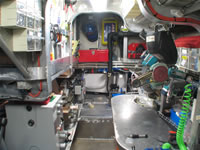
Includes, lathe, saws, press drill, welders, sand blast gear, and all that is needed for an engineering in any remote location.
Click here to go to Oz Future Fuels website to see more on this amazing vessel
Hi resolution images Note: these files are 1 to 2 Meg in size The Quickest way to download (Windows PC) is to right click on each link below and save picture to your PC.
Click here to view or download a larger general arrangement that you can view and zoom in using a suitable viewer.
Gallery








Detailed specifications available on enquiry.